
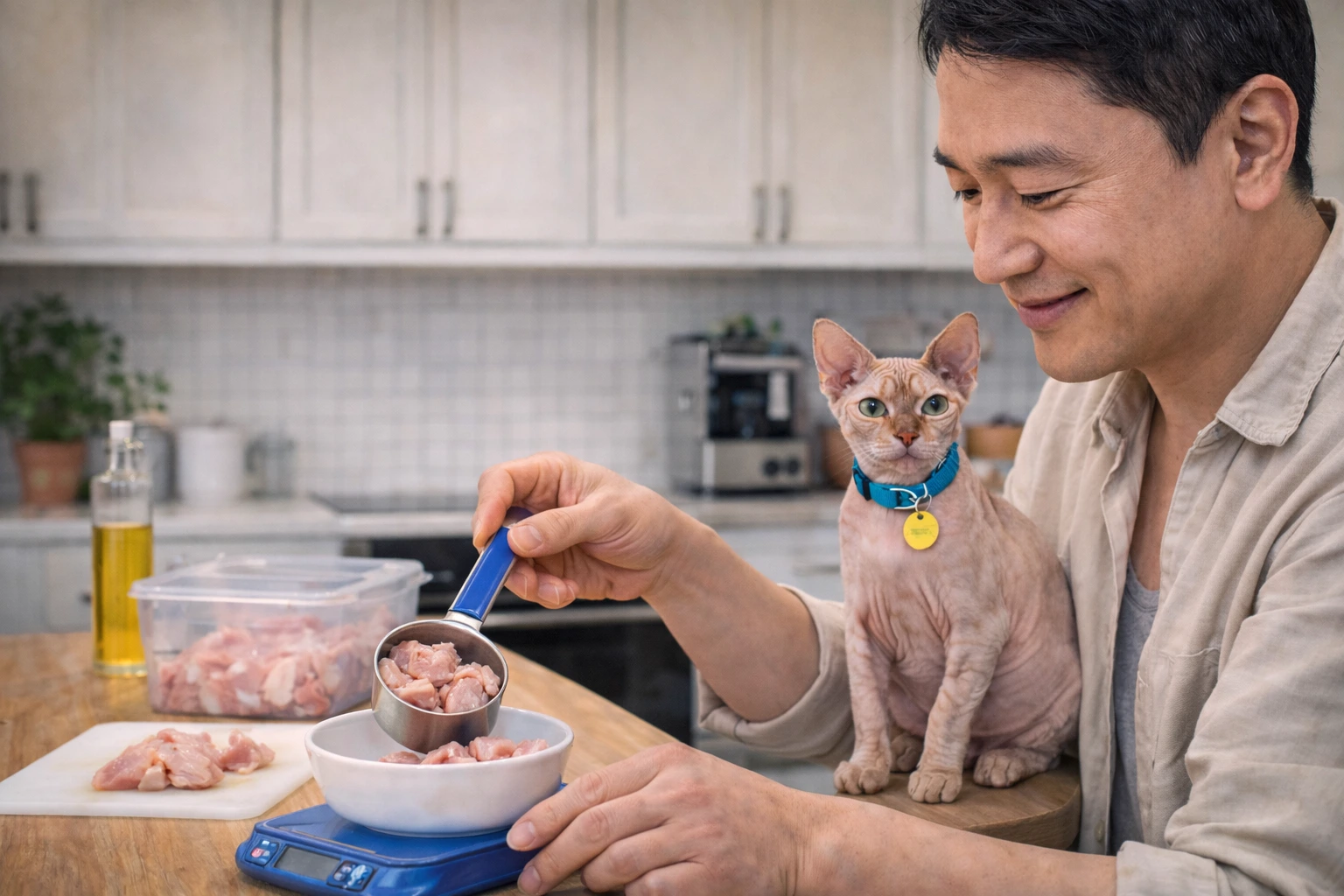
- If your cat becomes suddenly ill, do not wait—call your vet or an emergency clinic.
- Stop feeding any suspected food, save packaging/lot details, and isolate bowls and prep tools.
- Strict hygiene (hands, surfaces, bowls) reduces risk across many foodborne concerns.
- If you are unsure about raw feeding, ask your vet about safer alternatives and transition plans.
- Share accurate updates—not rumors—so other owners can respond calmly and quickly.
What’s happening and why this matters
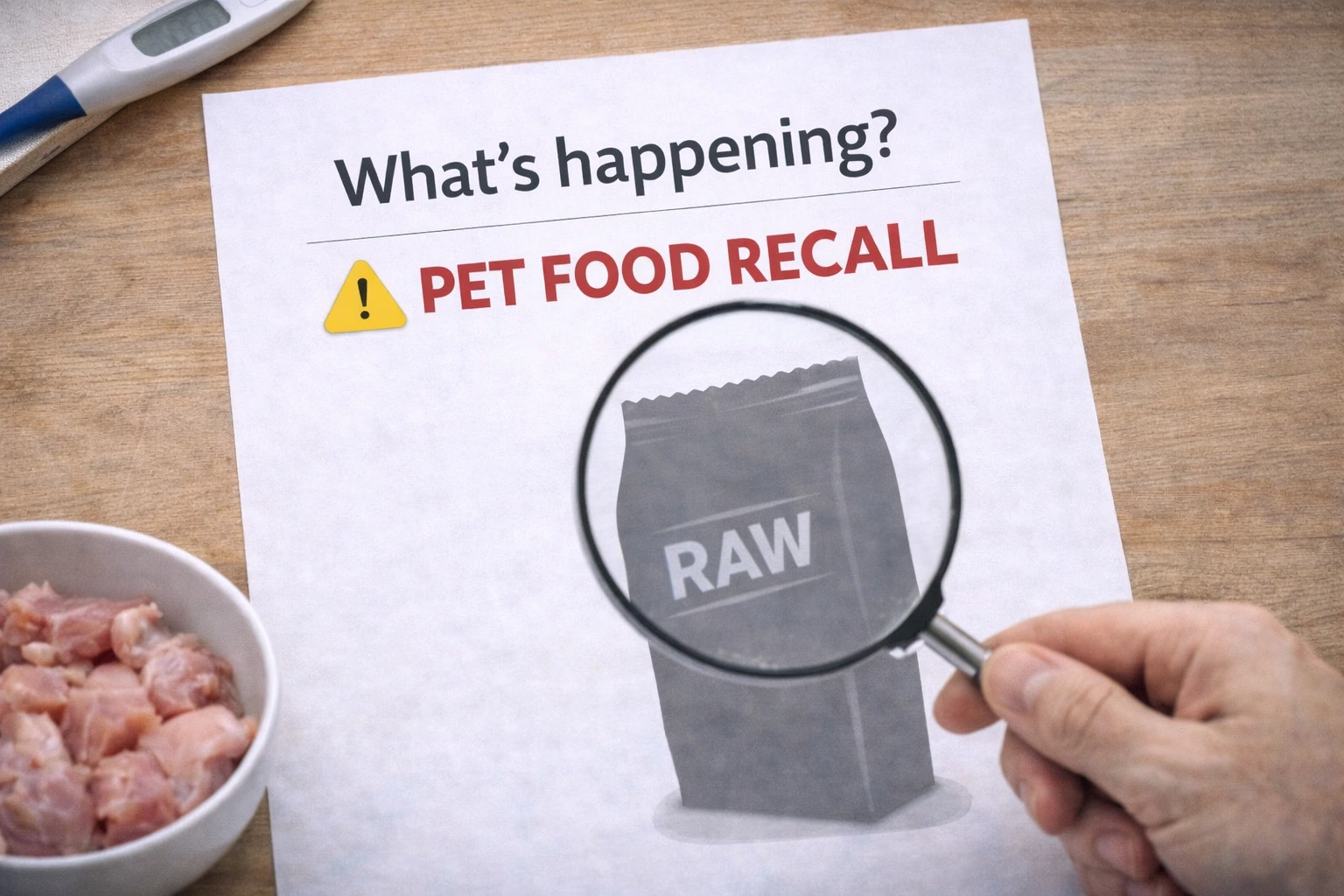
When health headlines circulate, what most owners need is a calm plan. Concerns about H5N1 (“bird flu”) and raw pet food typically come up when official advisories or recalls are published, or when owners see reports about cats becoming sick after eating certain products.
The most practical approach is to focus on what you can control: recognizing symptoms quickly, contacting a veterinarian, practicing strong hygiene, and keeping product details (brand/lot/dates) in case reporting is needed.
Which cats are higher risk
If you’re making diet decisions during a safety concern, risk level matters. Consider speaking with your veterinarian first if your cat is:
- A kitten or very senior cat
- Pregnant or nursing
- Immunocompromised, chronically ill, or currently recovering from illness/surgery
- On medications that may affect immune response
- Already showing appetite or behavior changes
For higher-risk cats, your veterinarian may recommend more conservative feeding choices and tighter monitoring.
Symptoms to watch (don’t wait if you’re concerned)
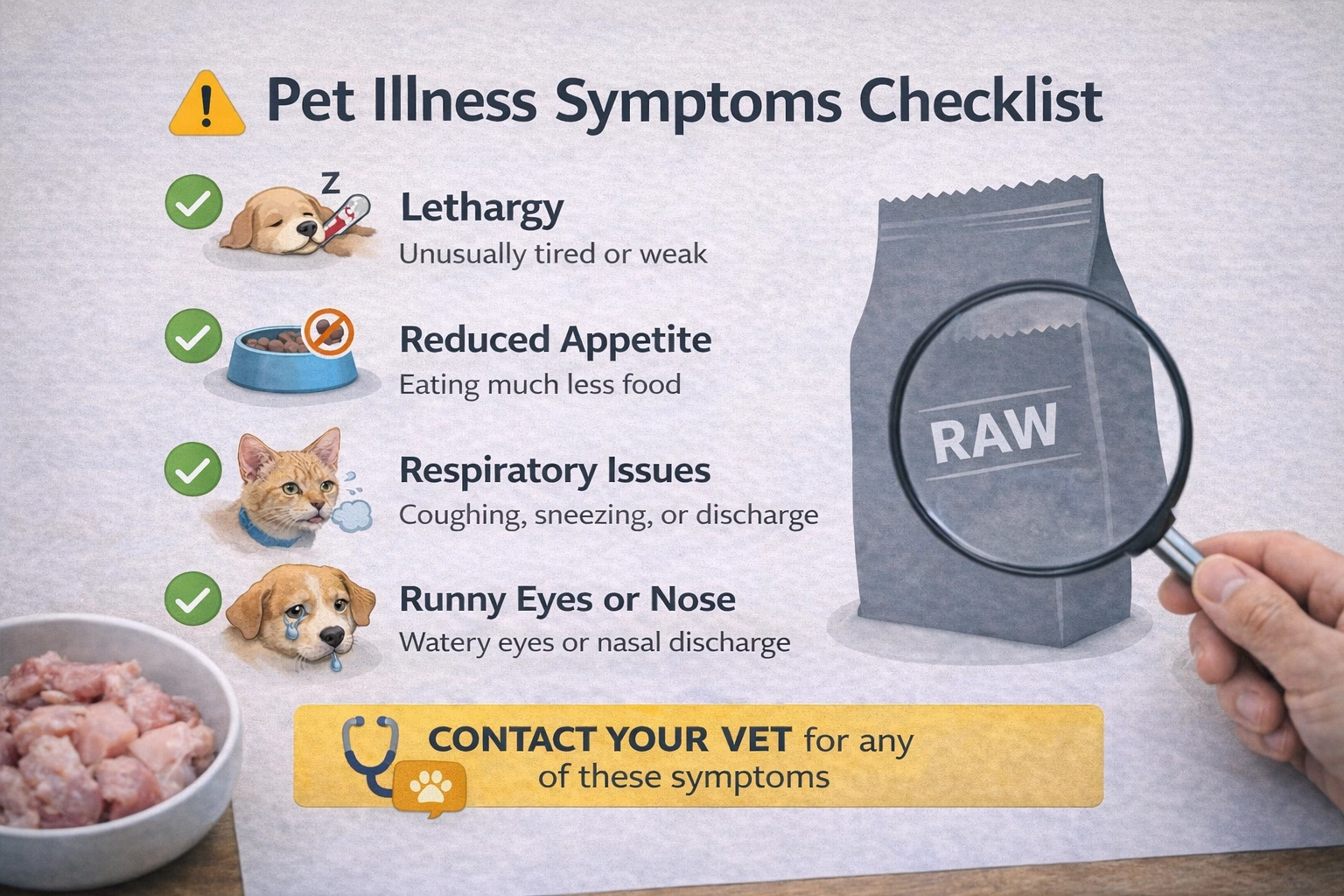
Cats can decline quickly. If your cat becomes suddenly unwell—especially after a diet change—treat it seriously and call your veterinarian. If it’s after hours, call an emergency clinic.
Quick-action steps (do this first)
What to say when you call the vet (simple script)
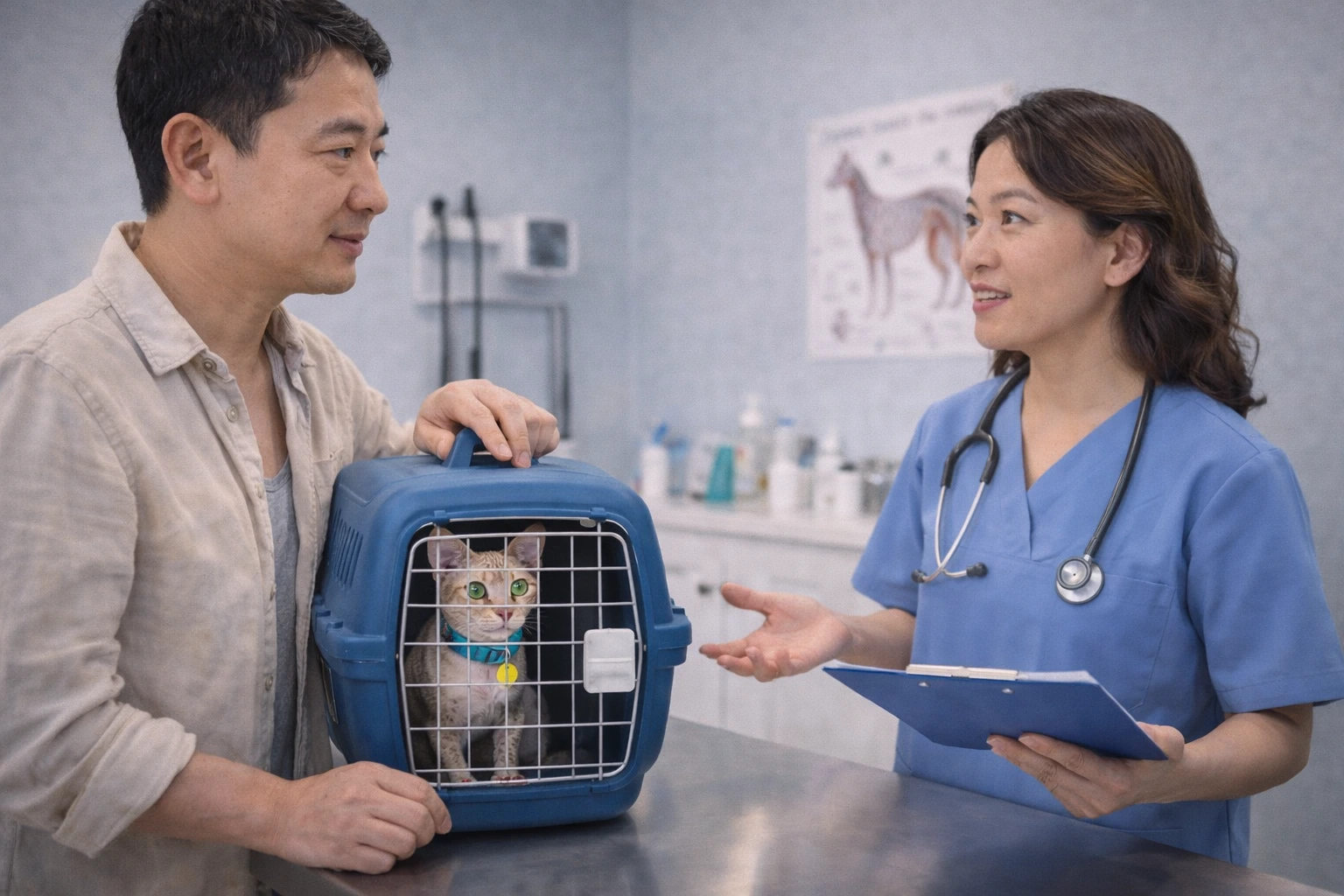
When you’re stressed, it helps to have a short script. Here’s a simple way to share the right details quickly:
- “My cat is [age] and weighs about [weight].”
- “Symptoms started [time/day] and include [list symptoms].”
- “Diet: [raw/cooked/kibble/canned]. The most recent food was [brand] lot/expiration [details].”
- “Any other pets ate it: [yes/no].”
- “Do we need to come in now? What should we watch for at home?”
Food handling & hygiene (reduce risk at home)
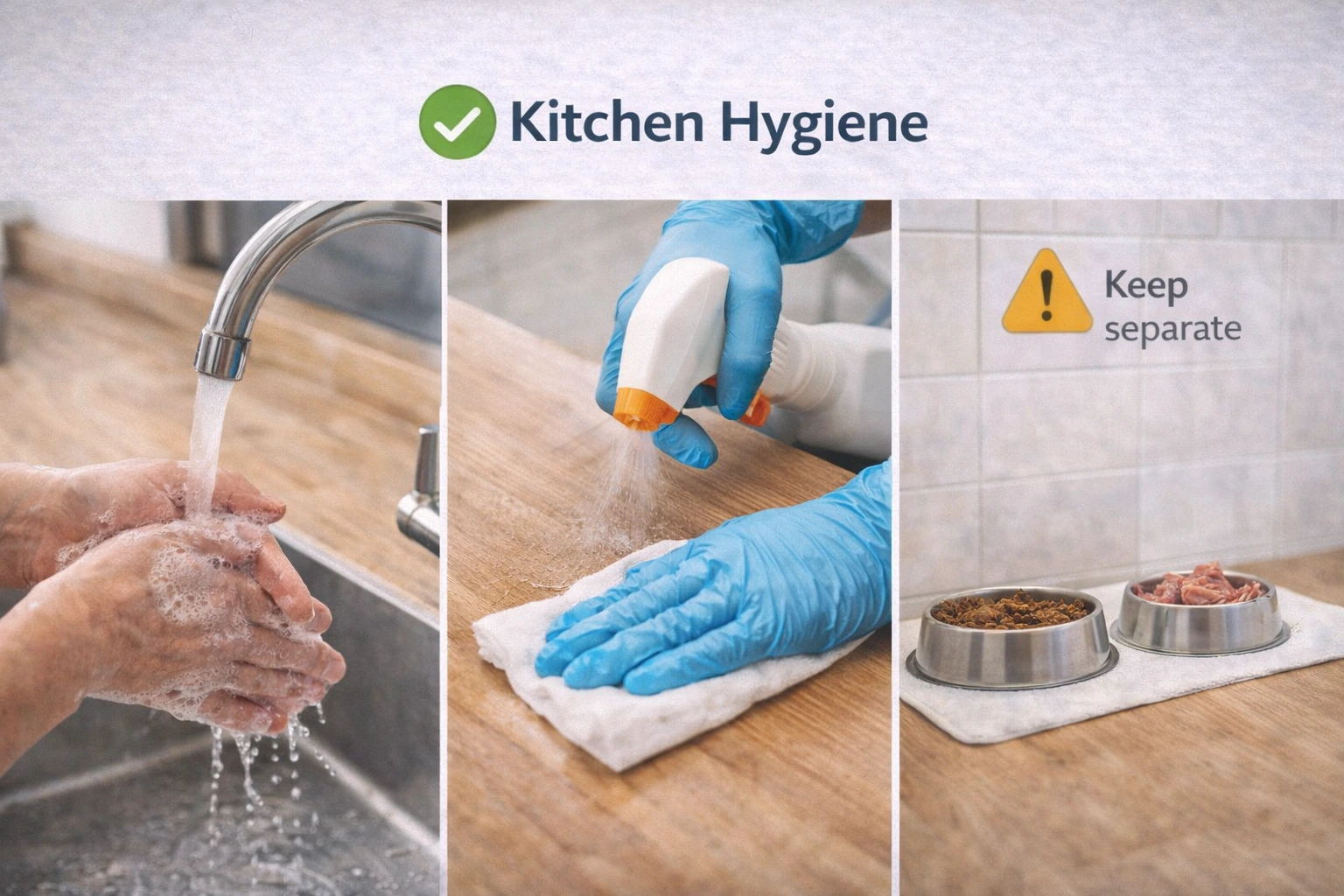
Regardless of diet preference, hygiene is a strong baseline. Treat pet food like you would raw meat in a kitchen: keep things separated, wash hands, and disinfect surfaces. This reduces risk across many pet health concerns—not just one headline.
Storage, thawing, and cleanup (common weak spots)
When problems happen, they’re often tied to handling and storage. If you’re feeding any food that requires refrigeration or freezing, these habits help reduce risk:
- Keep pet food separate from human food whenever possible (shelf, bin, or container).
- Thaw in a sealed container (avoid exposed thawing where drips can contaminate surfaces).
- Don’t leave food out for long periods; remove uneaten portions promptly.
- Wash bowls daily and disinfect the feeding area regularly.
- Dispose carefully if a product is suspected—bag it, seal it, and keep it away from pets and wildlife.
Safer feeding choices (without the drama)
Diet decisions can get heated online. A safer approach is a calm one: prioritize reputable sourcing, safe handling, and veterinary guidance—especially for higher-risk cats. If you’re uncertain about raw feeding, ask your vet about safer alternatives and transition plans tailored to your cat.
Reporting and product details to save
If your veterinarian advises reporting (or if a product is under an official advisory), having details ready helps:
- Brand name and exact product name
- Lot number / batch code
- Expiration date
- Purchase date and store/website
- Photos of packaging and labels
- Timeline: when your cat ate it and when symptoms started
Keep this information together in one folder on your phone. It reduces stress and improves clarity if you need to follow up.
How BullyRoom helps
BullyRoom is built around clarity and safer decisions. Use BullyRoom content and community tools to:
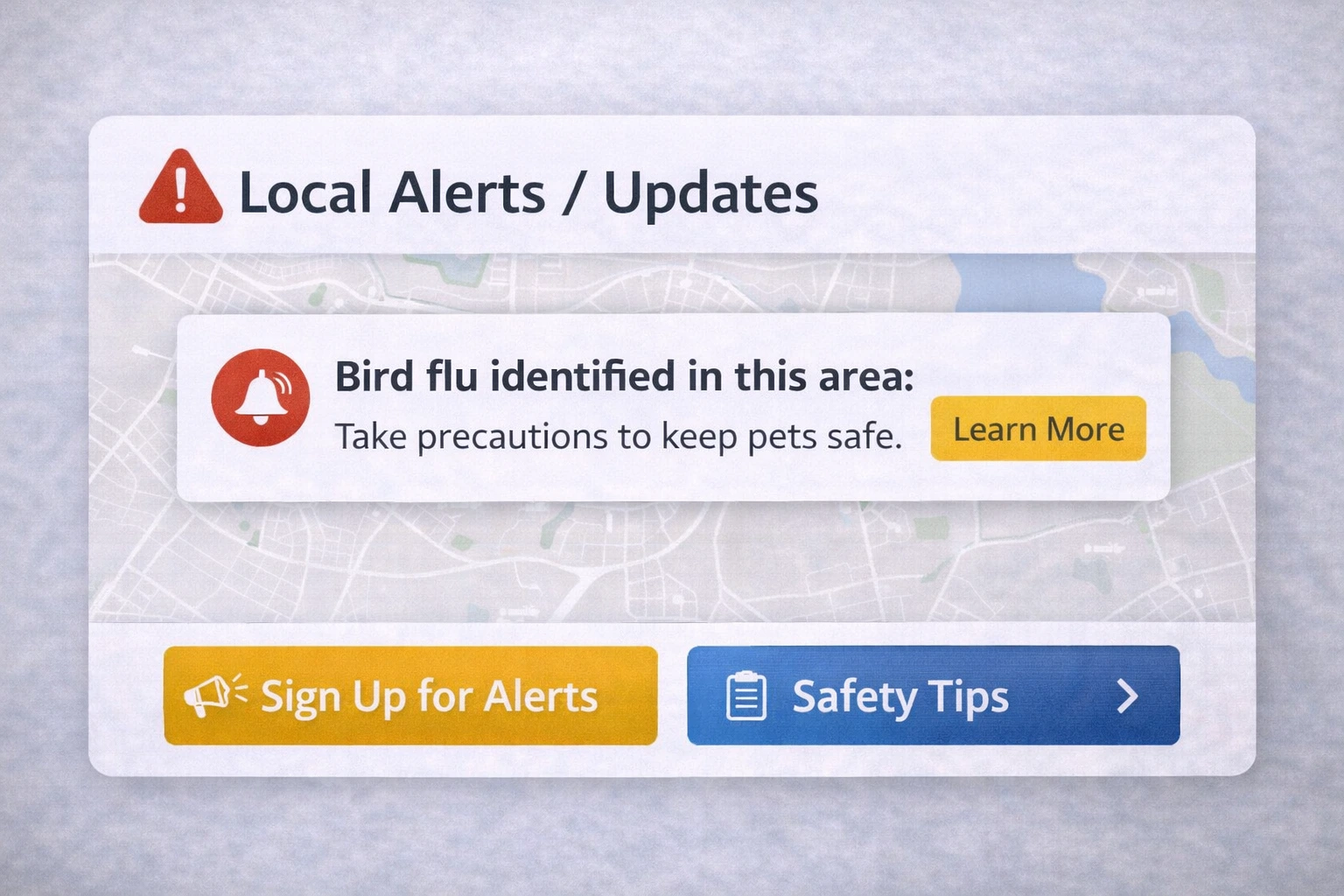
- Share accurate updates with local pet communities when safety news breaks.
- Find pet services (vets, clinics, and support resources) faster through your network.
- Promote best practices by sharing checklists and hygiene routines with other owners.
FAQ
Should I panic or immediately change my cat’s diet?
No. Start with calm steps: monitor your cat, follow official advisories if a specific product is listed, and speak with your veterinarian if you have concerns— especially if your cat is higher risk.
My cat ate raw food and seems fine. What should I do?
Keep packaging details and monitor closely. If anything changes (appetite, behavior, vomiting, breathing issues), contact your veterinarian promptly.
How do I reduce risk without starting diet wars?
Focus on what’s practical: hygiene, storage, reputable sourcing, and veterinary guidance. You can take safety seriously without spreading fear or rumors.
Is this article veterinary advice?
No. It’s general guidance meant to help owners respond calmly and communicate clearly with a veterinarian.
Sources & official guidance
When evaluating health headlines, prioritize official advisories and veterinary guidance. Here are reputable starting points:
Quick summary
- If your cat becomes suddenly sick, contact a veterinarian quickly.
- Stop feeding any suspected food and save packaging details (lot/date/purchase info).
- Practice strict hygiene when handling pet food and bowls.
- Choose safer feeding options that match your cat’s health needs and your vet’s guidance.
- Share accurate alerts with your local community to reduce confusion and speed response.
Related guides
BullyRoom Editorial Team publishes practical guides for safer pet adoption, rehoming, and responsible ownership across all species. Learn more about BullyRoom or contact support.