
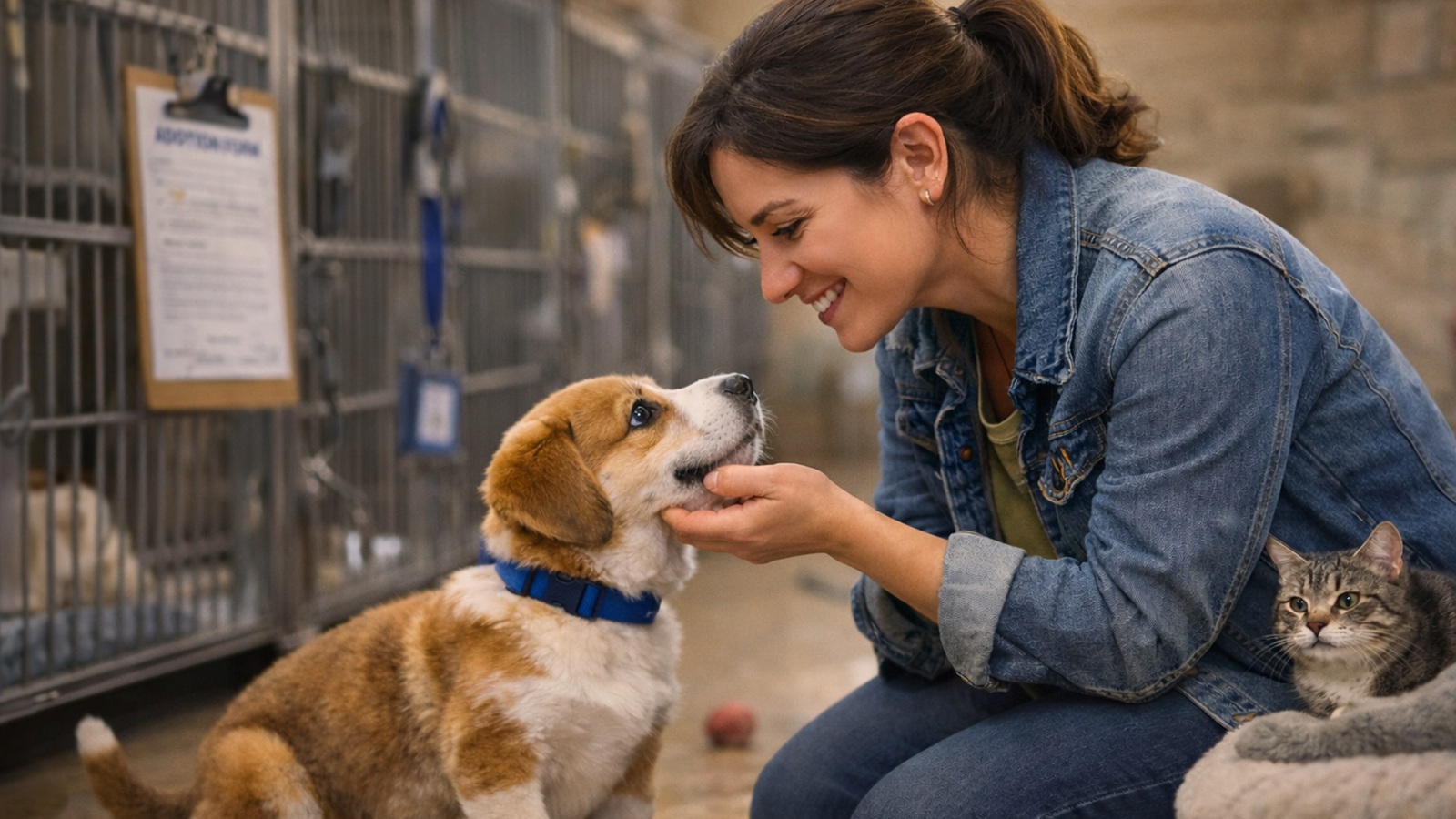
- Confirm fit first: time, budget, housing rules, and compatibility with kids/other pets.
- Ask direct questions about temperament, history, diet, and routines—then watch for consistency.
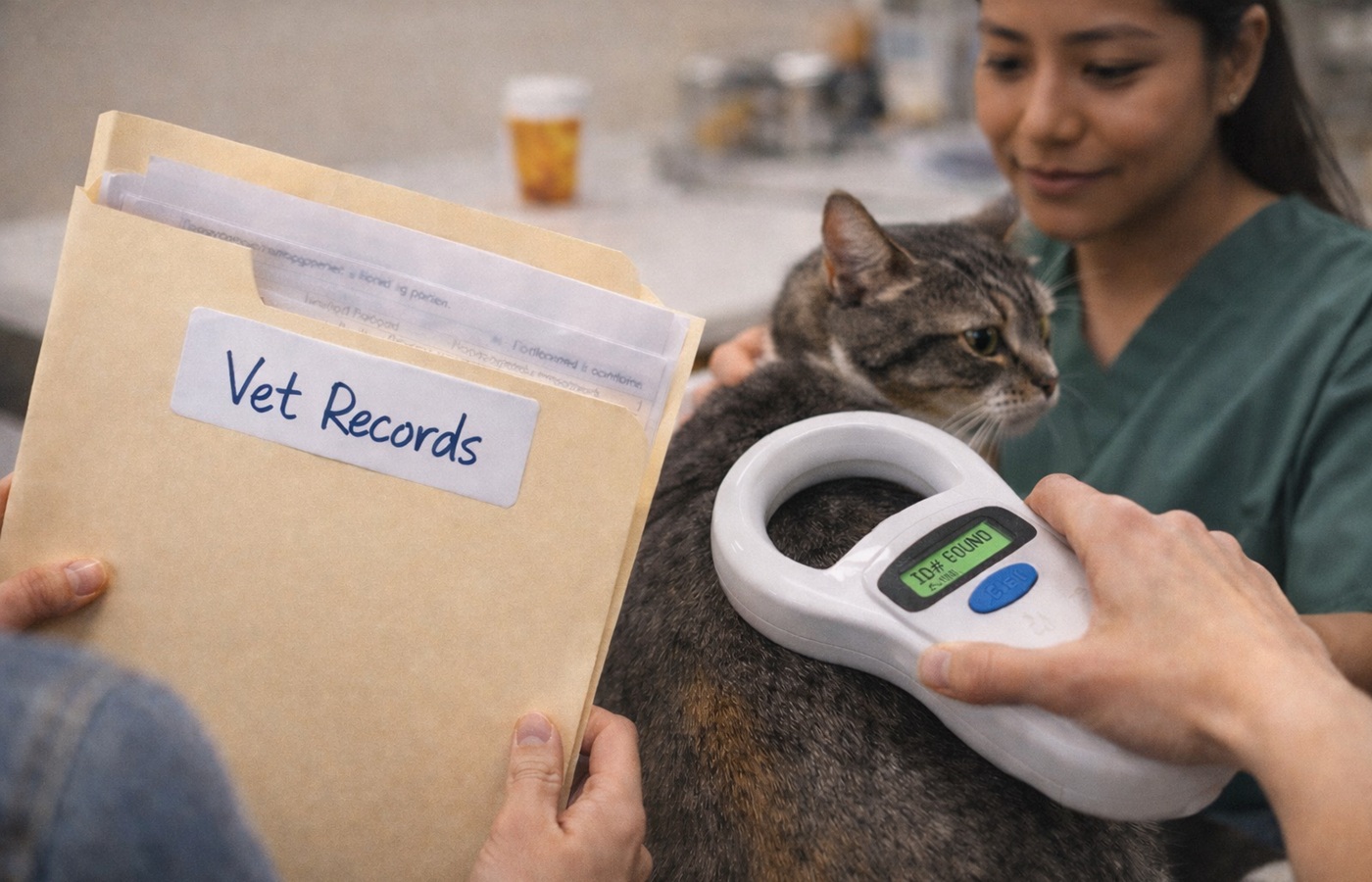
- Verify basics when possible: vet records, vaccinations, spay/neuter, and microchip transfer.
- Prepare a calm “decompression” setup so day one is structured and low-stress.
- Schedule a vet check early (typically within 7–14 days) to establish care and baseline health.
Before you commit
Adoption is not only about choosing a pet—it is about confirming fit. Spend time upfront so the transition is smoother for you and less stressful for the animal.
Questions to ask the shelter, rescue, or owner
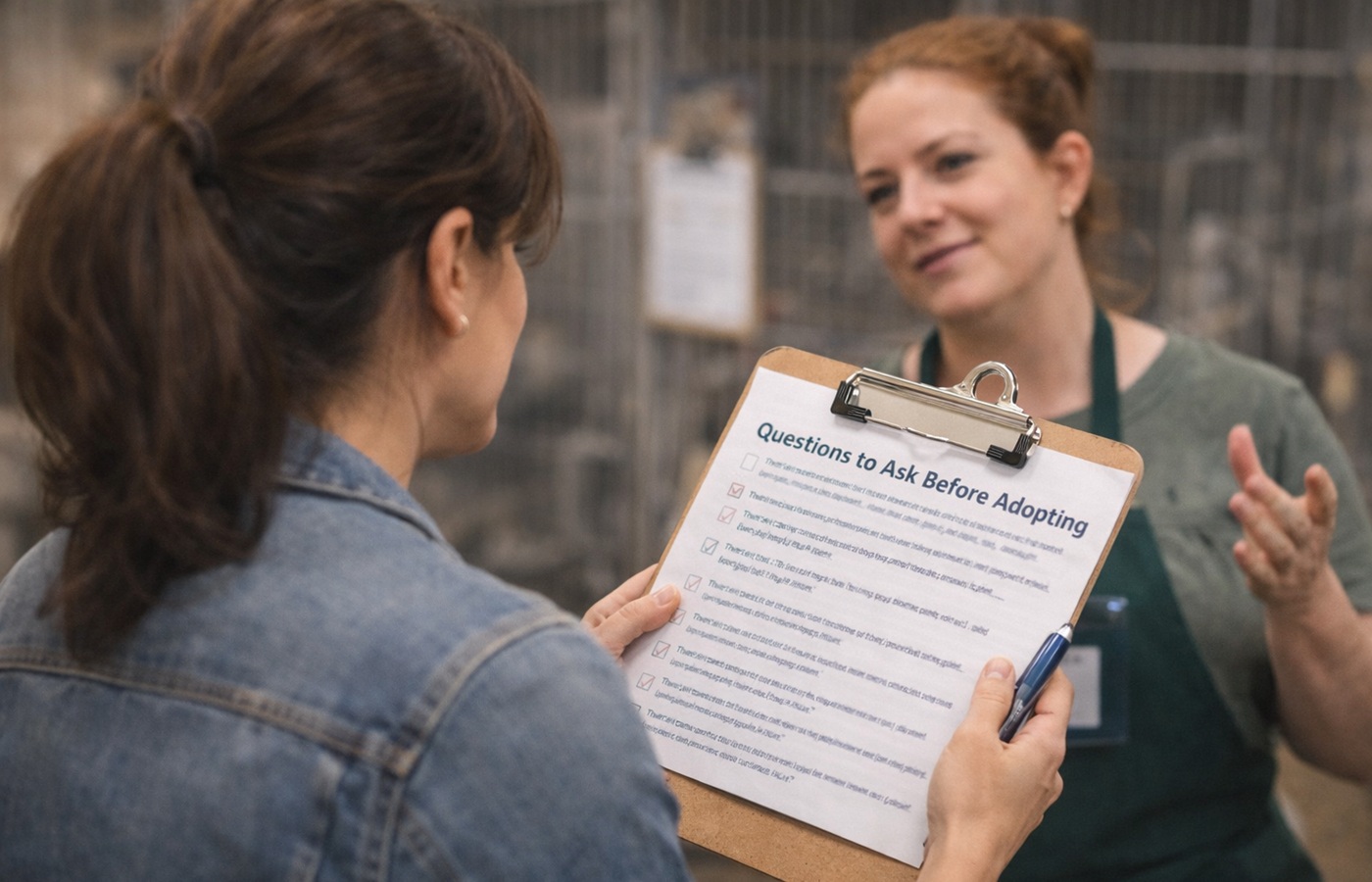
Background and behavior
- Why is the pet being rehomed or surrendered?
- What is the pet’s temperament around people, kids, and other animals?
- Any known triggers (resource guarding, fear of men, separation anxiety, loud noises, handling sensitivity)?
- What does a normal day look like (energy level, exercise, enrichment, rest)?
- Has the pet ever bitten, snapped, or shown aggression? If yes: context, severity, and management plan.
Training, handling, and routine
- House-trained or litter habits (and what schedule works best)?
- Crate/enclosure comfort and safe containment routines?
- Leash/handling tolerance (or, for exotics, safe handling expectations)?
- What commands, cues, or behaviors does the pet already know?
Health and care
- Vaccinations and prevention: what is current and what is due next?
- Any prior injuries, chronic conditions, allergies, or special diet?
- What food brand and schedule is the pet currently on?
- Any medications or supplements (dose, frequency, and why)?
What to verify (avoid preventable surprises)
Try to confirm documentation where possible. This matters most when adopting from unknown sources or rehoming situations.
Home preparation checklist
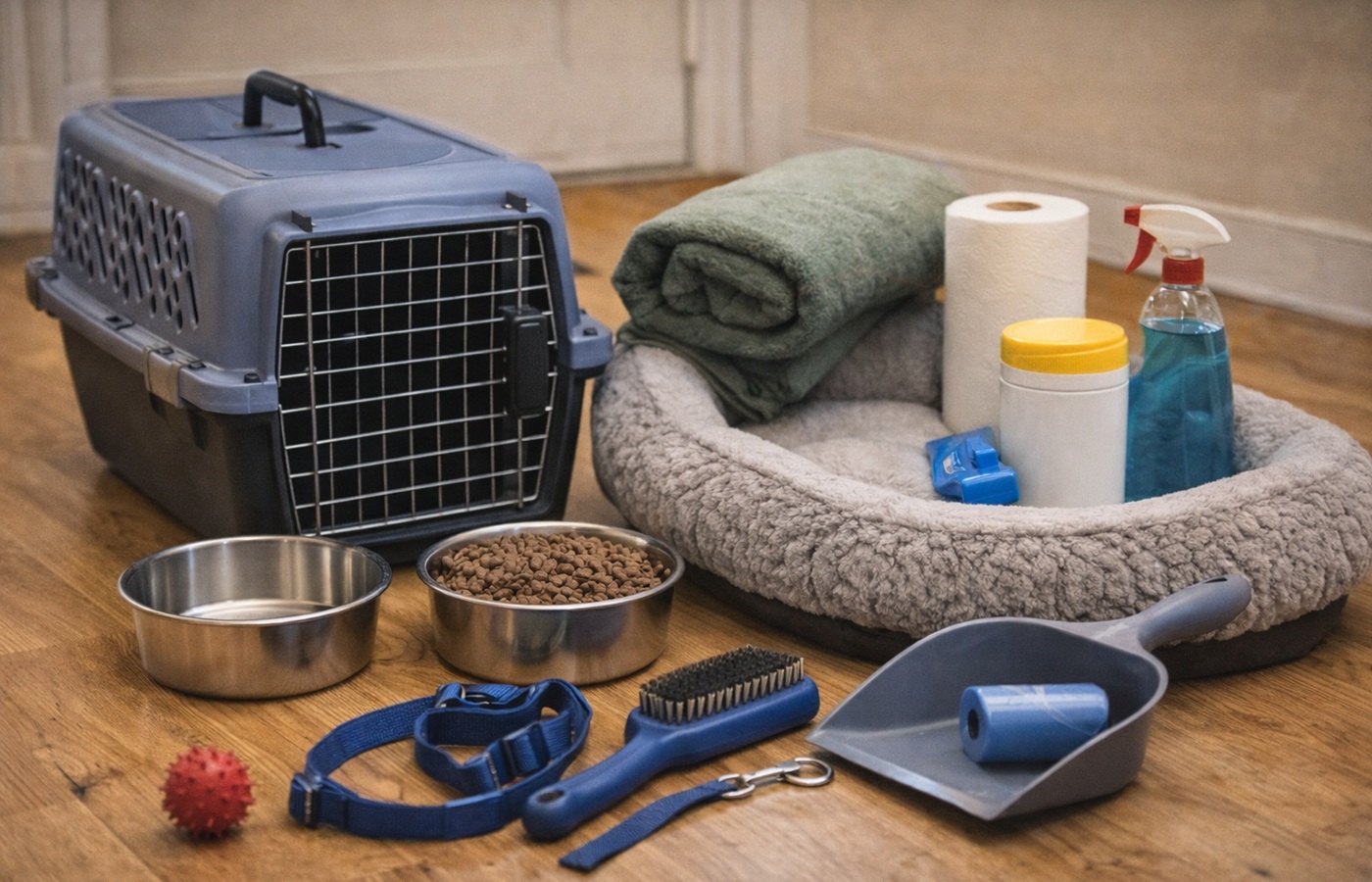
Essentials (day one)
- Food + bowls (match current diet initially, then transition gradually if needed)
- Safe containment: crate, baby gate, enclosure, or a quiet “decompression room”
- Collar/harness + leash (or secure transport carrier for small pets/exotics)
- Cleaning supplies for accidents and sanitization
- Appropriate bedding/hide areas for stress reduction
Safety-proofing
- Remove hazards: cords, toxins, small swallowable objects, unsafe plants
- Secure trash, food storage, and any escape routes
- Confirm gates/fencing/latches (especially for high-drive pets)
- Plan a quiet first 48 hours: limited visitors, minimal chaos, predictable routine
First week plan (reduce stress)
The first week is about stability. Keep routines predictable and expectations realistic.
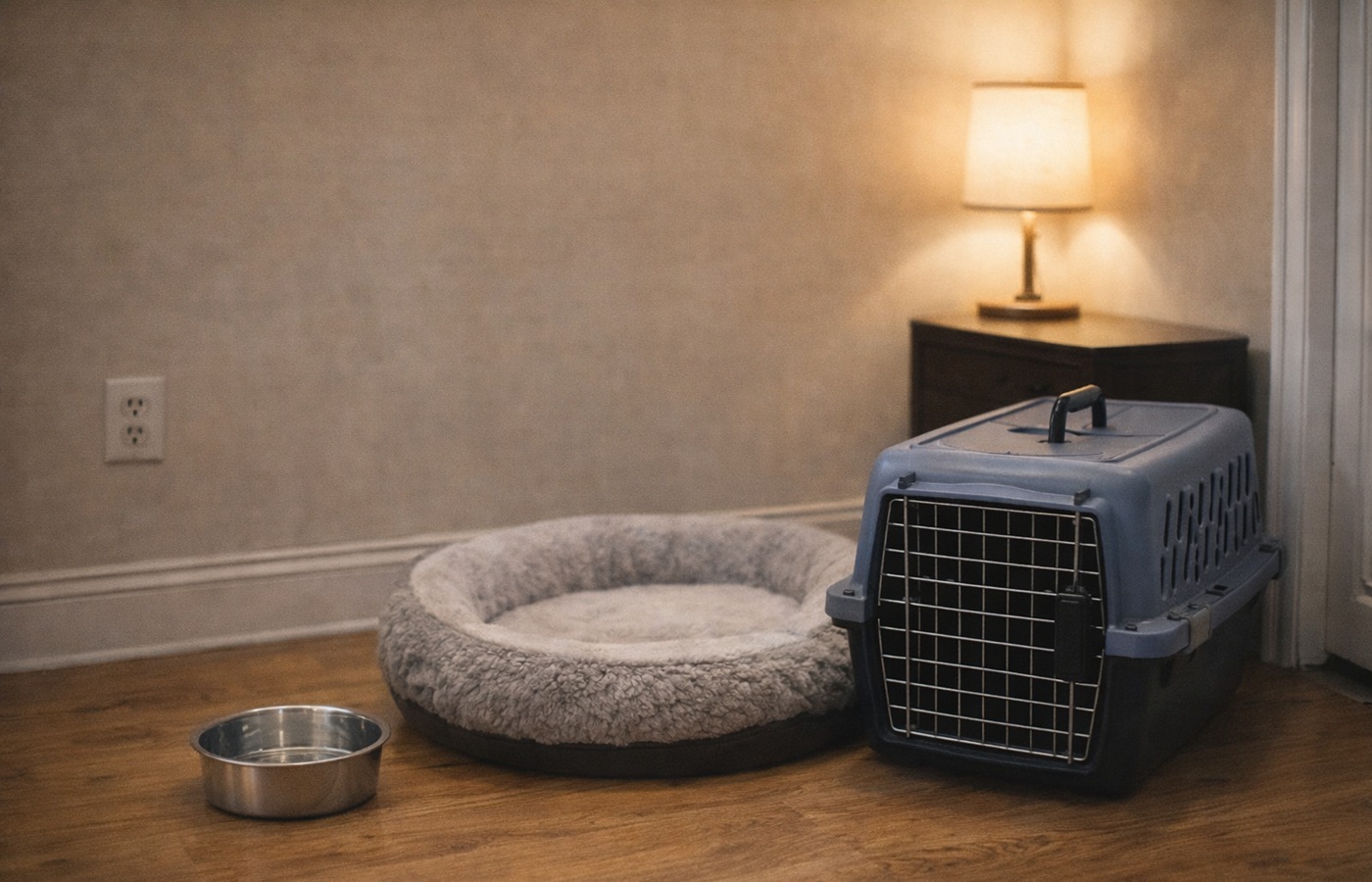
- Start with calm introductions (one room, one person at a time).
- Limit visitors and overstimulation.
- Establish feeding, potty, and sleep routines immediately.
- Schedule a vet check within the first 7–14 days (or sooner if needed).
- Use positive reinforcement—avoid punishment during adjustment.
- Track small wins (eating, sleeping, bathroom routine, calm time, comfortable handling).
Red flags to watch for
- No willingness to share any health history or basic background.
- High-pressure tactics (“you must decide right now”).
- Inconsistent answers about age, temperament, or medical status.
- Unsafe meeting location or refusal to allow a safe public meeting when appropriate.
- Refusal to allow time to read an adoption contract or rehoming agreement.
FAQ
How soon should I take a newly adopted pet to the vet?
Many adopters schedule a baseline exam within 7–14 days, sooner if the pet is very young, senior, immunocompromised, or showing any concerning symptoms.
Should I change the pet’s food right away?
Usually, no. Keep the current diet briefly, then transition gradually if you plan to change brands or feeding approach.
What’s the best way to reduce stress on day one?
Use a calm decompression setup: quiet space, predictable routine, limited visitors, and gentle introductions.
What if the source has no paperwork?
It doesn’t automatically mean it’s unsafe, but it increases uncertainty. Plan for a vet exam, microchip, and vaccines as needed—and be cautious if answers are inconsistent.
Helpful sources
Use reputable guidance to support better decisions and smoother transitions:
Quick summary
- Confirm fit: schedule, budget, housing, compatibility.
- Ask the right questions about behavior, care, and history.
- Verify what you can (records, microchip, spay/neuter, setup needs).
- Prepare your home for calm decompression.
- Keep week one stable and predictable.
Related guides
BullyRoom Editorial Team publishes practical guides for safer pet adoption, rehoming, and responsible ownership across all species. Learn more about BullyRoom or contact support.